eCommerce Platform Comparison
eCommerce Platform Comparison for Complex Catalogs
Most platform comparisons treat eCommerce platforms as interchangeable. For merchants with complex catalogs — fitment rules, structured technical attributes, hybrid B2B/B2C — they are not. This comparison is built around the criteria that actually decide it when product selection depends on compatibility: fitment, ACES & PIES, search precision, structured data, and AI-readiness. If you are comparing platforms or looking for an alternative to Shopify, BigCommerce, Magento, WooCommerce, X-Cart, or a custom development path, the real question is whether the platform can support the catalog complexity behind the sale.
Why generic eCommerce platform comparisons miss the hard parts
A lot of comparison pages focus on surface-level questions like themes, apps, pricing, and ease of use. Those things matter, but they do not tell the full story for businesses managing compatibility-sensitive catalogs, technical attributes, structured product data, and more operationally demanding buying journeys.
For merchants in complex categories, the real questions are different:
- Can shoppers quickly find the right product?
- Can the platform support fitment and applicability logic?
- Can product data stay structured as the catalog grows?
- Can wholesale and retail workflows live in the same environment?
- Can the platform scale without forcing the business into endless patches and workarounds?
That is also why many merchants begin looking for an eCommerce platform alternative only after fitment, product data, search, B2B pricing, or catalog maintenance become operational bottlenecks.
These are the areas where Web Shop Manager differentiates from more general-purpose platforms.
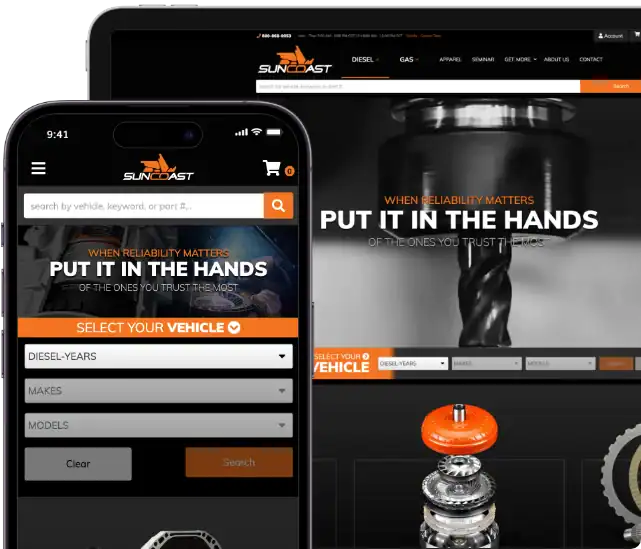
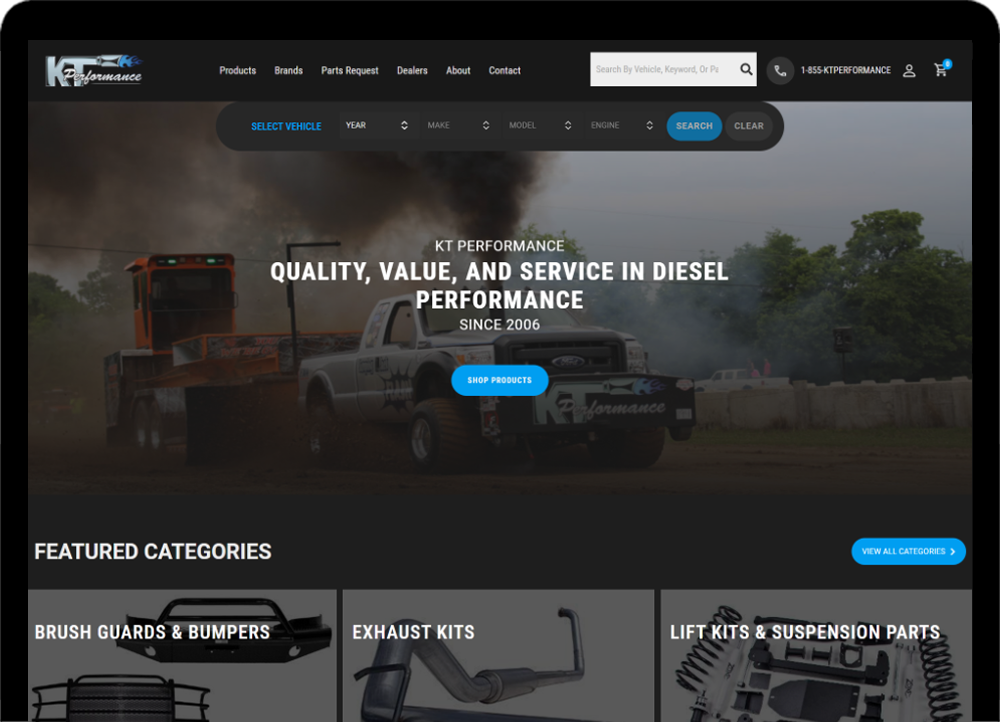
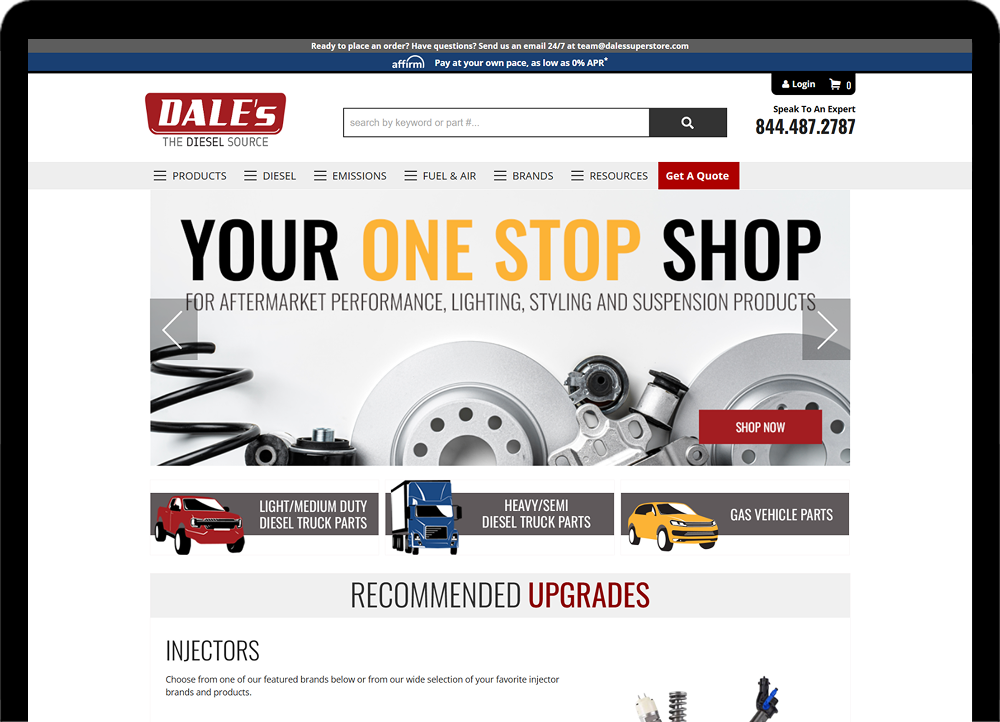
Real merchants running WSM

What to look for in an eCommerce platform comparison
For complex commerce, the right evaluation framework goes beyond storefront design and generic usability. A stronger platform comparison should look at the operational realities behind the buying experience.
Catalog complexity
Can the platform handle deep attributes, bundles, changing product relationships, and large SKU counts without creating a workaround-heavy product-management process?
Fitment and compatibility logic
If buyers need to confirm fit for a vehicle, machine, or use case, compatibility cannot be treated as an afterthought.
Search and product discovery
Search quality directly affects conversion, bounce rate, wrong-part orders, and shopper confidence.
Structured product data
If the catalog depends on ACES / PIES or other structured standards, the platform should support that complexity instead of forcing it in later.
B2B and B2C support
Many parts and technical sellers need to support wholesale and retail customers at the same time.
AI readiness
AI is only as useful as the product data, compatibility context, and discovery foundation underneath it.
Which eCommerce platform is best?
The honest answer is that the best platform depends on what you sell, how complex your catalog is, and what kind of buying experience your customers need.
Who Web Shop Manager is best for
Web Shop Manager (WSM) is not positioned as the answer for every merchant. It is a strong fit for businesses that need more than a generic storefront, especially where product selection depends on compatibility, technical attributes, structured data, or more guided discovery.
Web Shop Manager is especially well aligned to support merchants across:
- Automotive eCommerce
- Truck Accessory eCommerce
- Diesel Performance eCommerce
- Off-Road eCommerce
- Powersports eCommerce
It also fits other complex-catalog verticals such as appliance parts, industrial / MRO, heavy equipment, ag and construction parts, trade supply, and other technical catalogs.
Why complex-catalog merchants evaluate WSM differently
Merchants with compatibility-driven catalogs tend to care less about generic app counts and more about practical performance questions:
- Can shoppers quickly identify the right product?
- Can search understand the way real buyers search?
- Can product data stay structured as the catalog grows?
- Can the same platform support wholesale and retail workflows?
- Can the business reduce wrong-part returns and fitment uncertainty?
That is the lens this platform comparison is built around. The goal is not to claim WSM is best for everyone — it is to make clear where WSM is the stronger fit and why.
Better comparison starts with the right commerce foundation
Four foundations make WSM different from general-purpose platforms — these are what the comparisons below are measured against.
Comparison pages by platform and build path
Direct comparisons of Web Shop Manager against the platforms and build paths parts-driven merchants most commonly evaluate.
Frequently asked questions
The questions parts-driven merchants ask most often when evaluating eCommerce platforms.
Yes, for merchants whose catalog complexity has outgrown a general-purpose digital storefront or extension-heavy setup. Web Shop Manager is not positioned as a generic replacement for every eCommerce platform. It is a specialized alternative for parts, aftermarket, powersports, industrial, and technical catalog merchants that need native fitment, structured product data, ACES/PIES workflows, search precision, B2B/B2C selling, and managed platform support.
General-purpose platforms work well when the catalog is simple. As soon as fitment rules, structured technical attributes (ACES/PIES), or hybrid B2B/B2C workflows enter the picture, merchants typically need bolt-on apps to plug the gaps — and those apps do not always talk to each other. WSM is built around aftermarket and complex-catalog workflows from the start, so the patterns the bolt-ons try to replicate are part of how the platform is designed.
WSM is a managed platform with headless options. Storefronts ship on Next.js consuming a GraphQL commerce layer. You do not run the infrastructure; WSM does. Merchants get theming and front-end control without losing the benefits of managed updates.
Natively. ACES vehicle-fitment data and PIES product-attribute data are first-class data structures in the platform, not plugin-added schemas. Catalog ingest, search, and YMM lookup all consume that structured data directly. Most general-purpose platforms require a third-party app and a sync job to approximate this.
Yes. Tiered pricing, dealer-specific pricing, gated catalogs, RFQ flows, and net-terms support sit alongside standard retail checkout in the same store. Merchants do not need to maintain two storefronts or two product databases to serve both audiences.
Every WSM migration includes a redirect audit against the old URL structure plus a structured re-indexing plan for ACES/PIES data. WSM tracks 301 coverage against the live sitemap and Google Search Console traffic to reduce the risk of high-value URLs going to 404.
PartsLogic Smart Search uses structured catalog data and fitment context to surface relevant results by reasoning about fit and compatibility rather than only matching text. The underlying data foundation is what makes the discovery layer work; AI is only as useful as the structured product data underneath it.
WSM pricing is structured around catalog complexity and the operational support a merchant needs, rather than scaling by GMV. The most useful comparison is against actual SKU count, B2B volume, and migration scope; a demo call can map those requirements to a practical platform evaluation.